What Is a Baby Container? (And When to Use One)
What is a baby container? A pediatric PT explains strollers, swings, and bouncers, plus how to use them without limiting your baby's movement.
By Dr. Kristi Brelsford, pediatric physical therapist and founder of The Village SLC
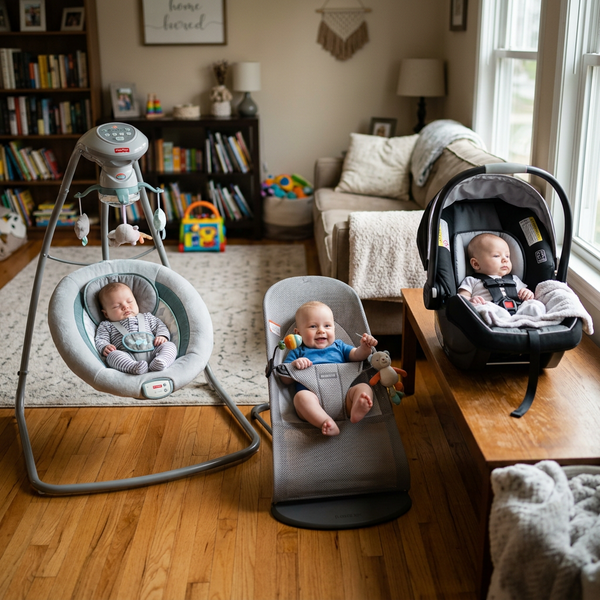
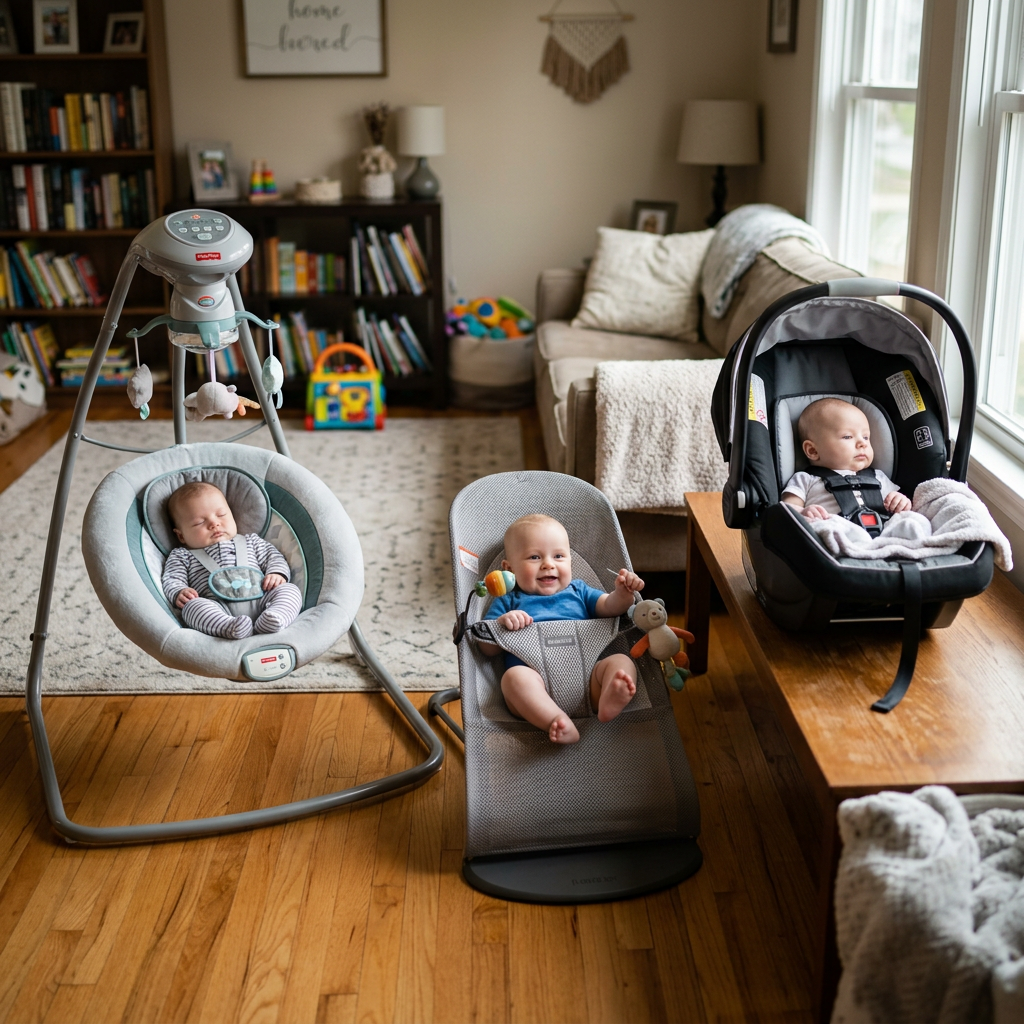
A baby container is a piece of equipment a baby is placed in that limits their movement and keeps them in one position.
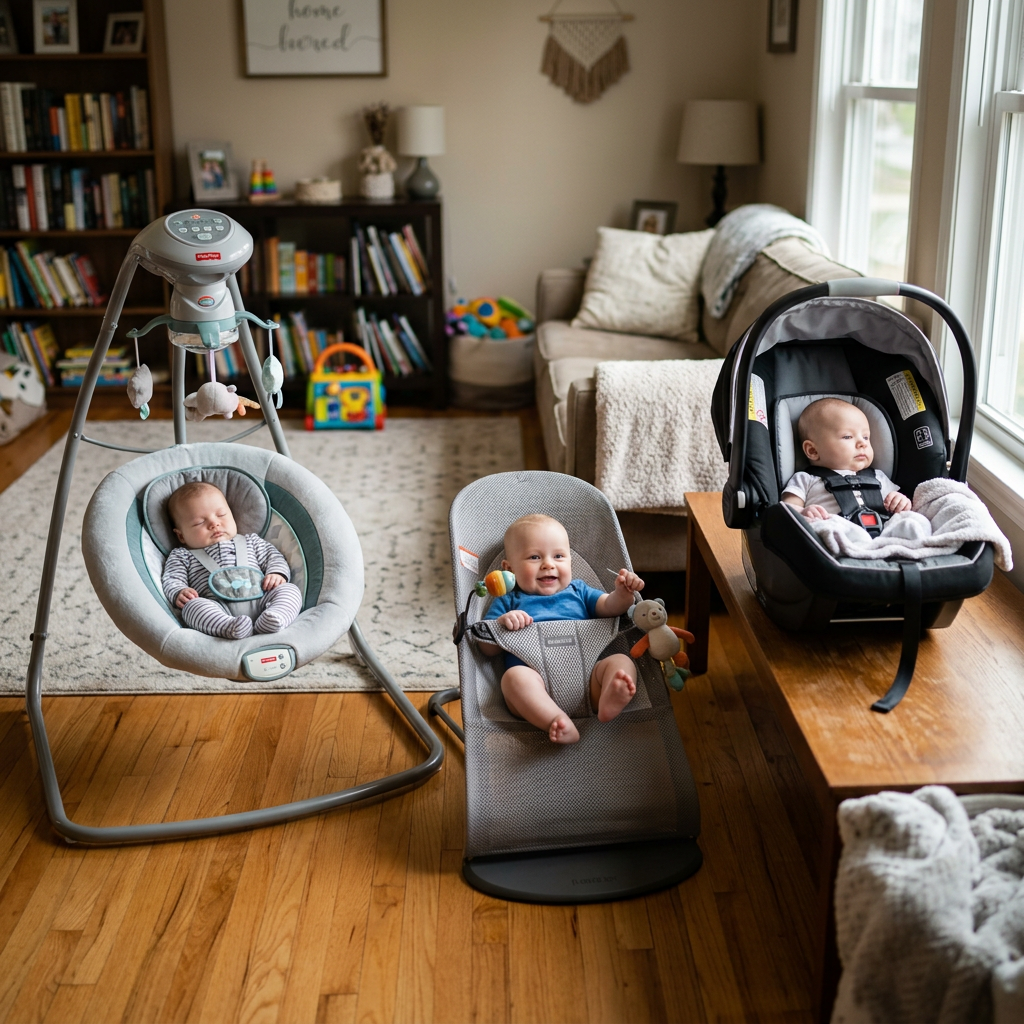
For example, containers can be strollers, baby loungers, swings, high chairs, car seats (when not used for transportation), exersaucers, bouncers, standing walkers/jumpers.
When a baby is placed in a container for long periods of time, it can negatively affect their motor development because their movement is limited and the container keeps them in one position. Some containers can be very helpful, especially when used sparingly and intentionally. I want to explain more about containers so you can use them to help you and your baby!
So, are you saying to never use a stroller?
Absolutely not! I personally used my stroller often with my son and loved our stroller walks.
However, if a piece of equipment is limiting your child’s ability to freely move, as all containers do, using containers sparingly will help your child in the long run. For example, a bouncer or swing might be a great option of a safe place for your baby to be while you start dinner or help another child get dressed.
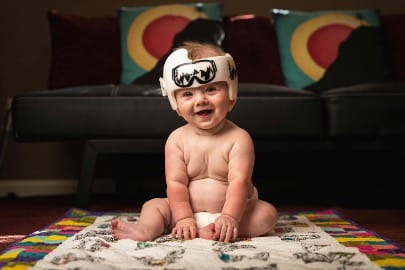
If your baby is in a swing many hours per day and they have a slight head positioning preference, the support from the swing will keep the baby’s head in that same position. This is a common reason babies start developing flat spots on their heads or head turning preferences.
Where should my baby play instead?
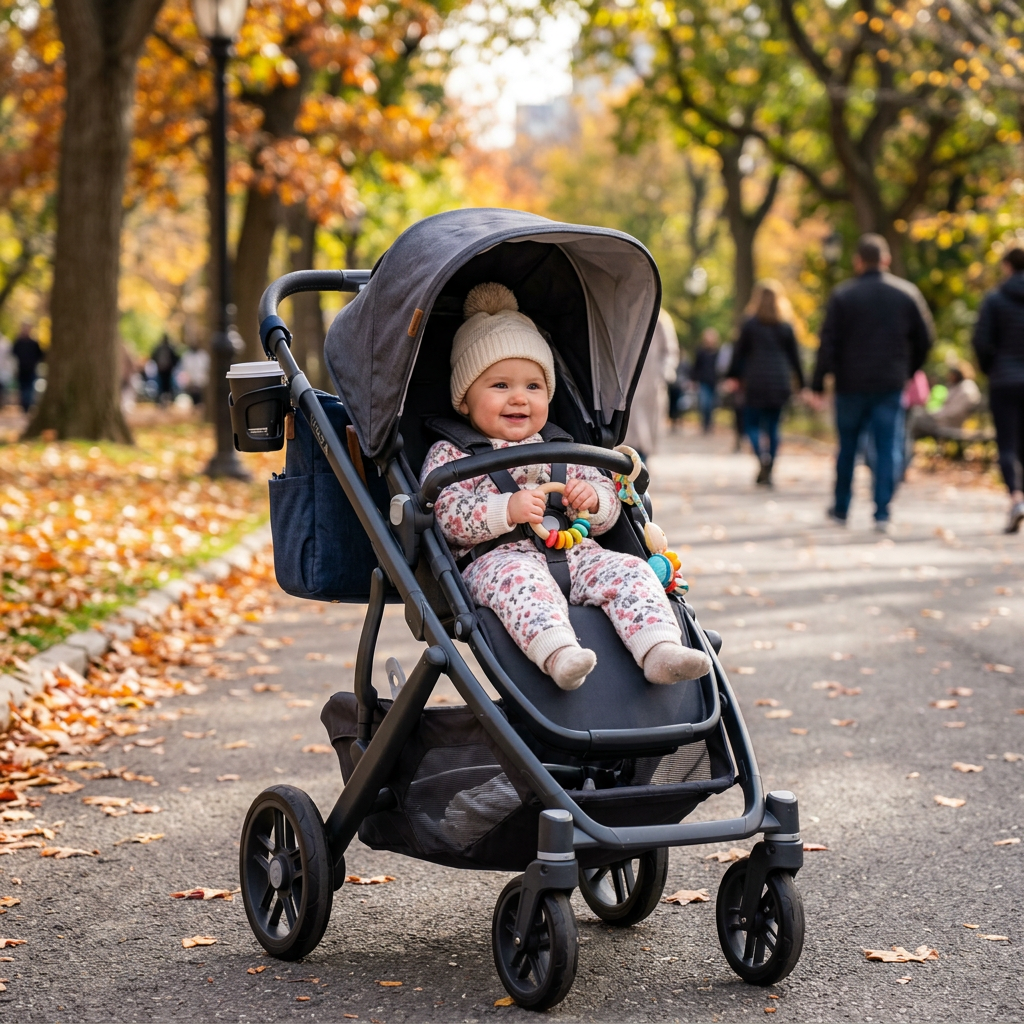
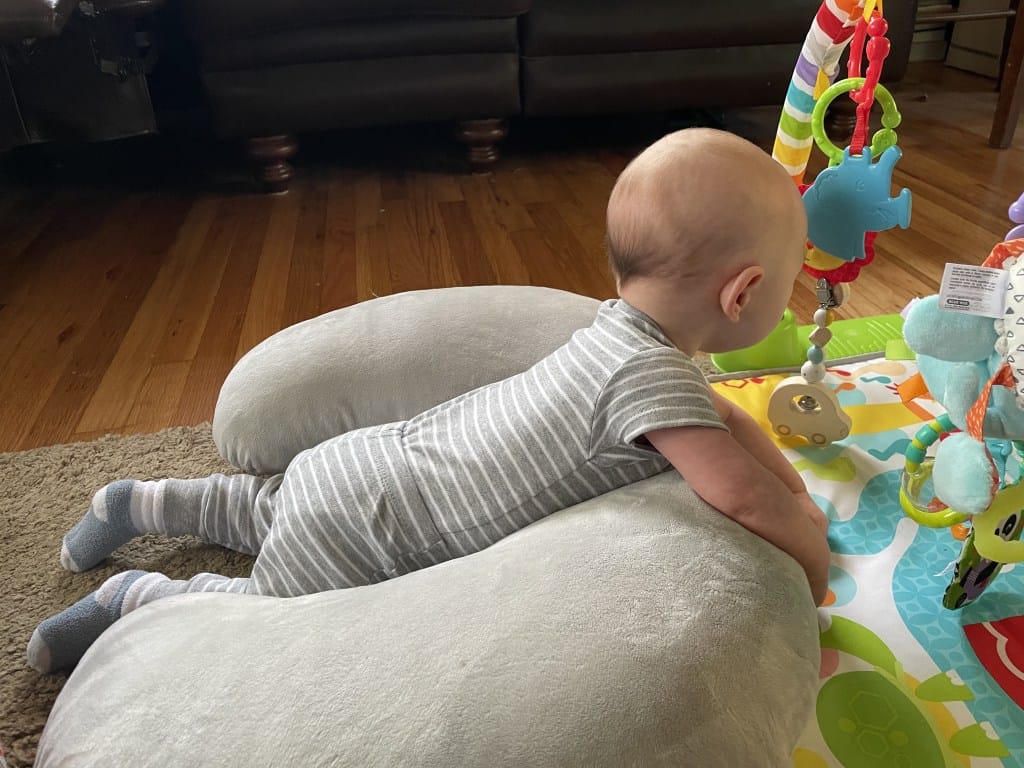
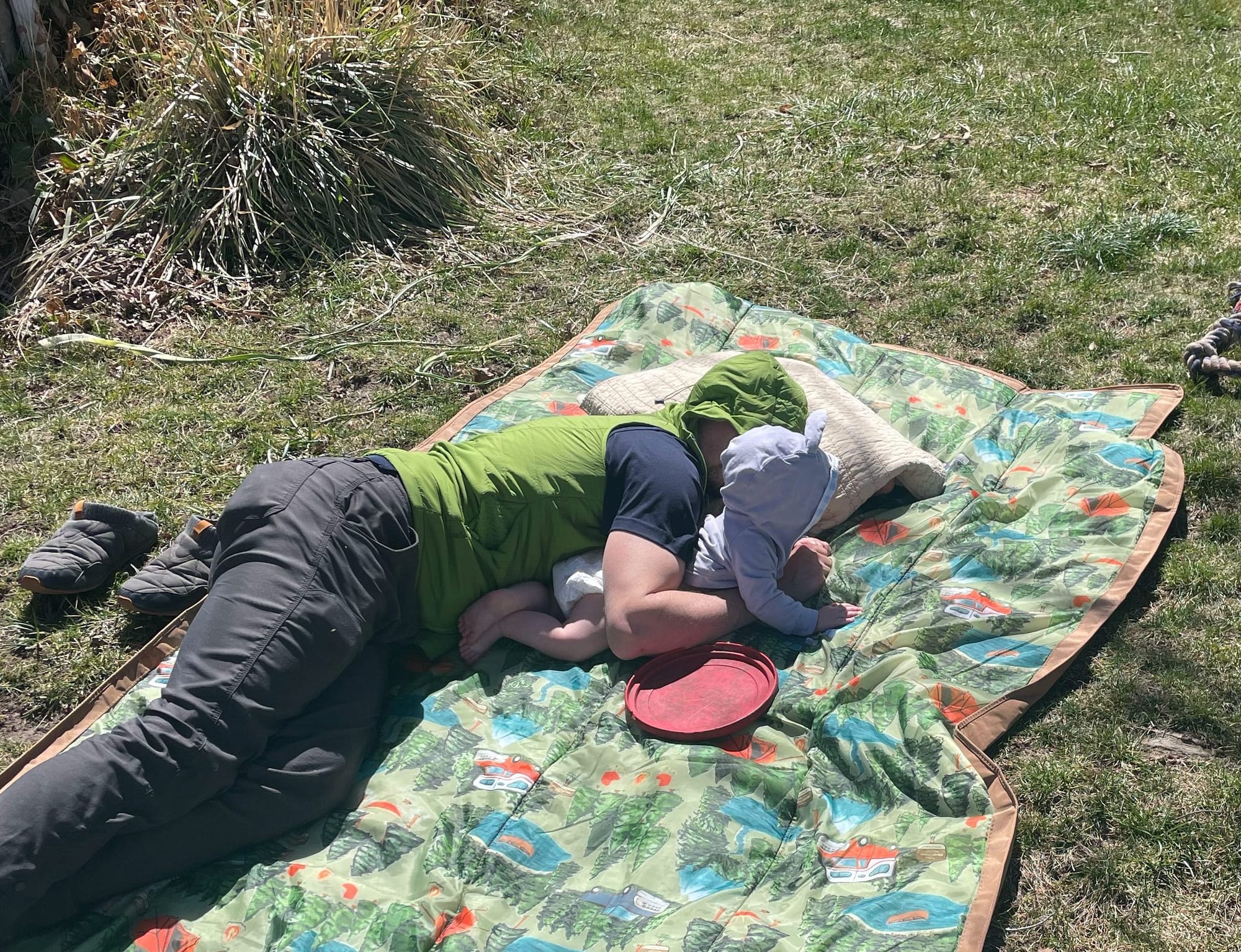
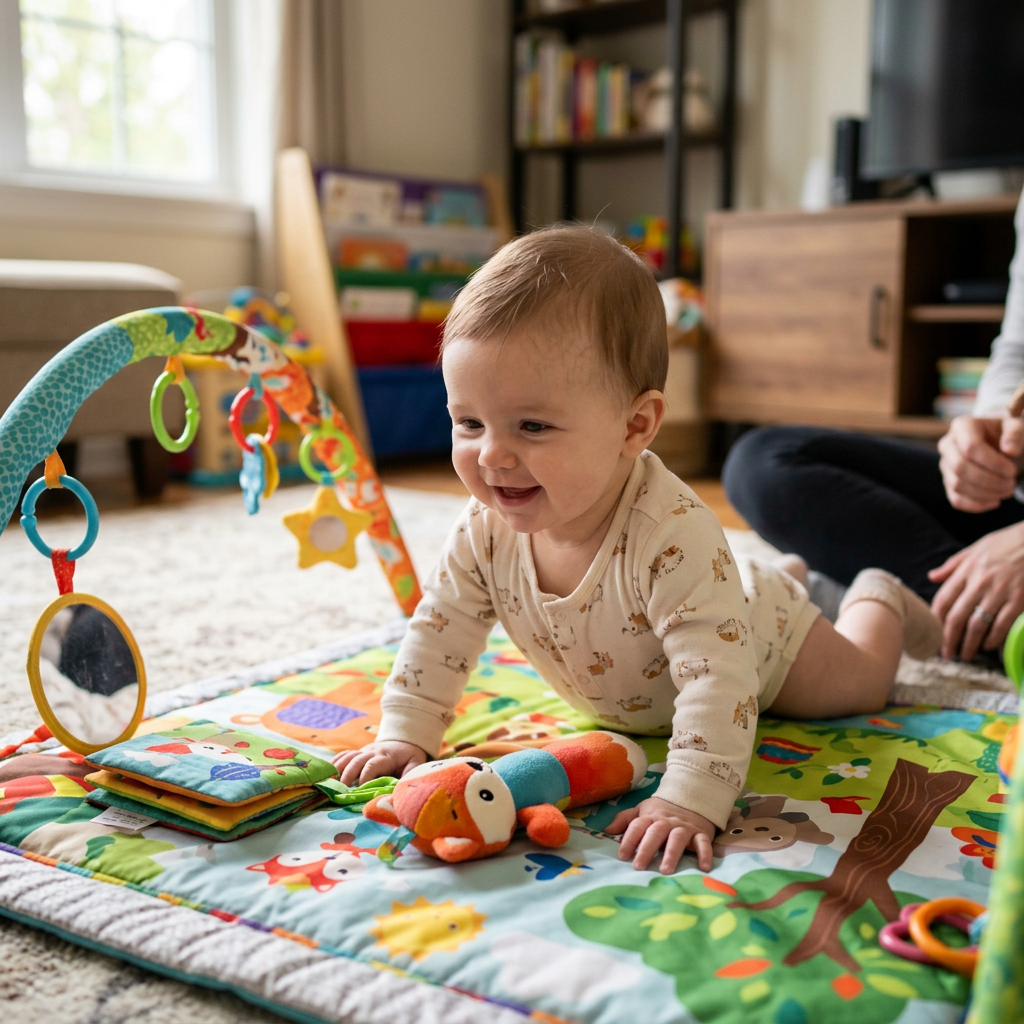
Freedom of movement and exploration are key! This looks different depending on the age and motor abilities of your baby. While supervised and in a safe environment, the floor is a great place for an infant to explore. A blanket rolled out on the floor or a play mat are usually my go-to options for younger babies. There are some safety caveats though!
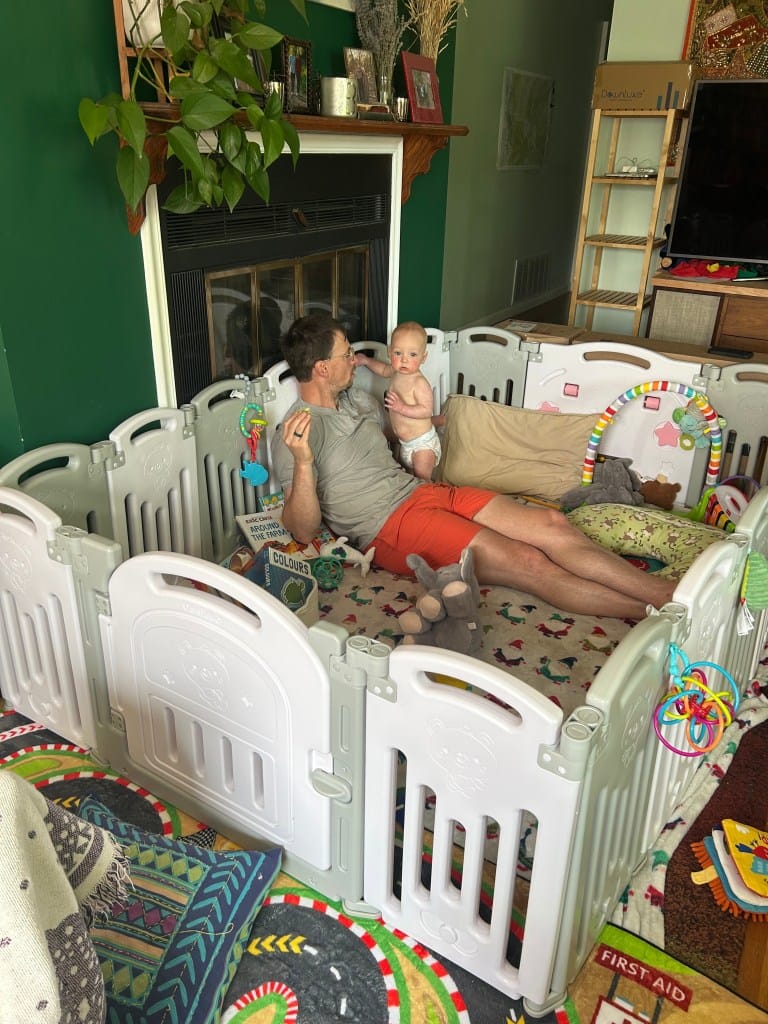
Baby-proofing is essential to making your space safe for your infant on the floor. Depending on their level of mobility and development, they may be mouthing everything or climbing on everything. Once your infant starts to get mobile, a large play pen is a great option for a safe space for your baby to explore.
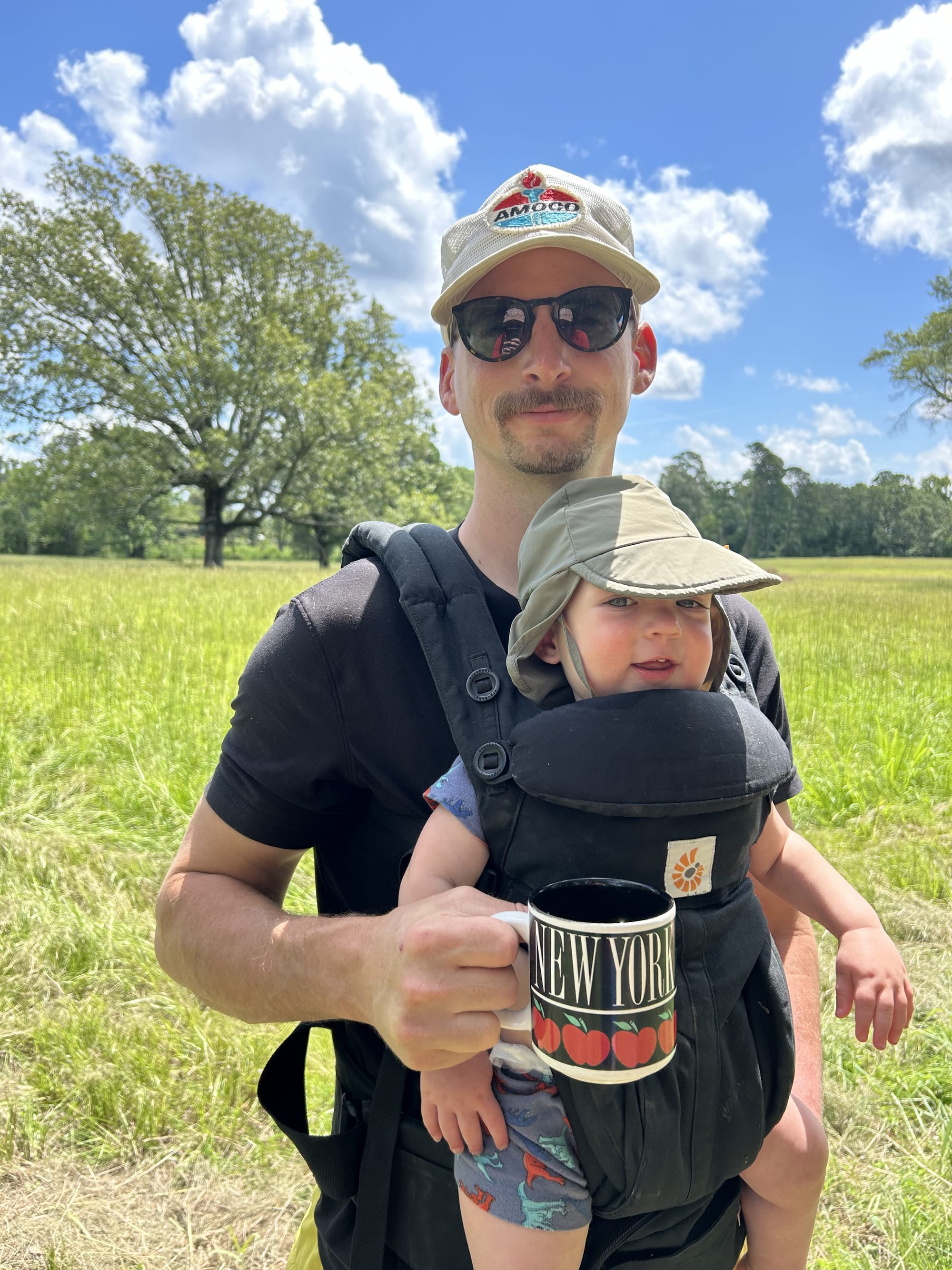
Baby-wearing is also a great option that is not considered a container because baby still can move their body and have some give and take with the carrier (especially cloth style), which is great for body awareness and sensory input. Baby-wearing has some very important safety specifics related to fit, size and keeping baby’s nose and mouth clear (especially with young babies). There is too much to go into with baby wearing and safety here, it deserves a full blog post of its own!

If you are in the Salt Lake Valley, I offer in-home visits and would love to work with you — reach out to get started!
References:
https://www.choosept.com/guide/physical-therapy-guide-container-baby-syndrome
Alghamdi ZS, Orlando JM, Lobo MA. Evaluation of the Movement and Play Opportunities and Constraints Associated With Containers for Infants. Pediatr Phys Ther. 2024;36(4):458-466. doi:10.1097/PEP.0000000000001125
Zorlular R, Akkaya KU, Elbasan B. The relationship between home environment affordances and motor development and sensory processing skills in premature infants. Infant Behav Dev. 2024;75:101944. doi:10.1016/j.infbeh.2024.101944
Disclaimer: The information on this account is for educational purposes only and is not medical advice. Viewing or interacting with this content does not create a therapist-patient relationship. Every child is unique, and individualized recommendations require an appropriate evaluation. Always consult your own healthcare provider for concerns about your child and seek immediate medical care for emergencies.